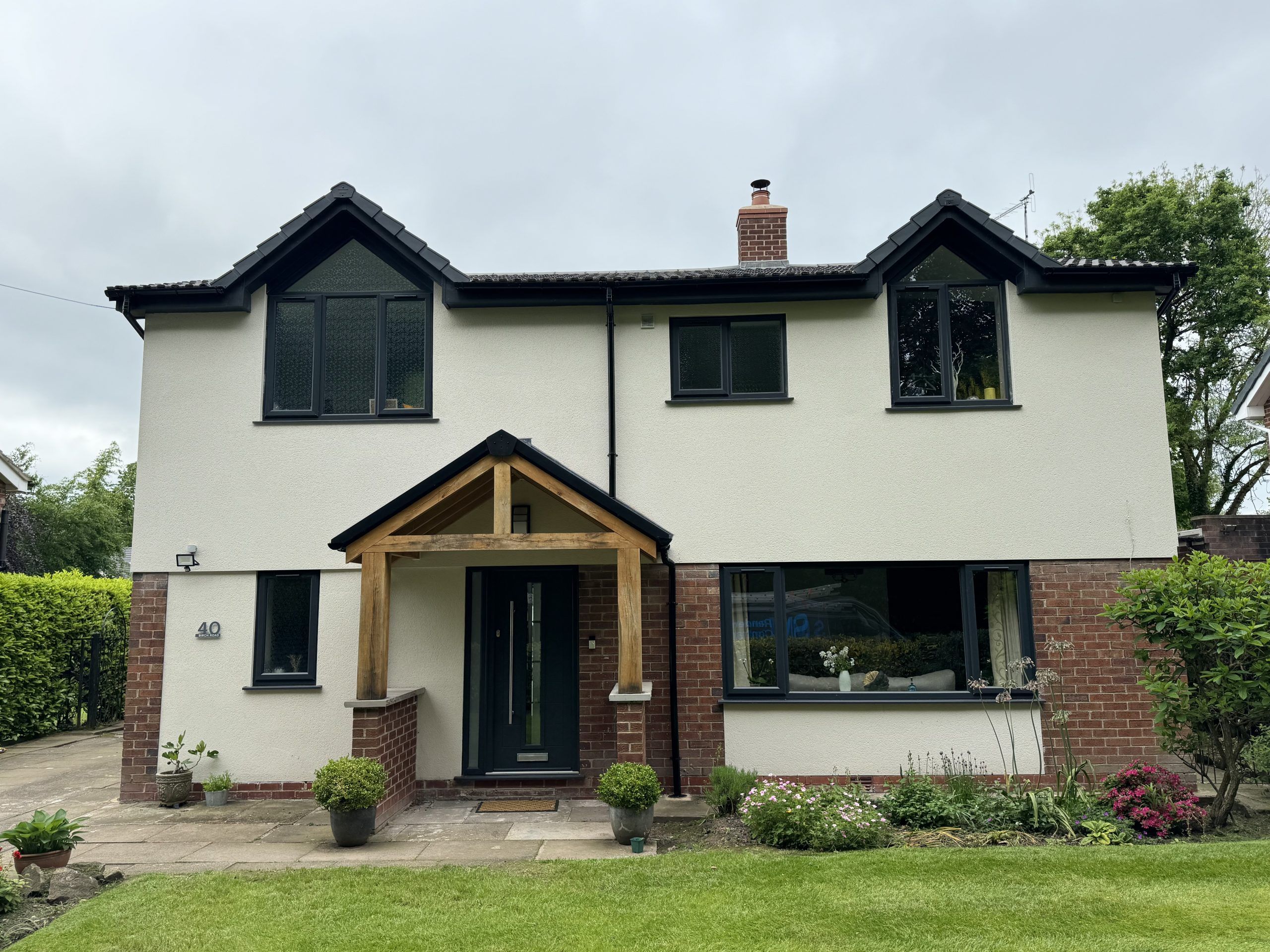
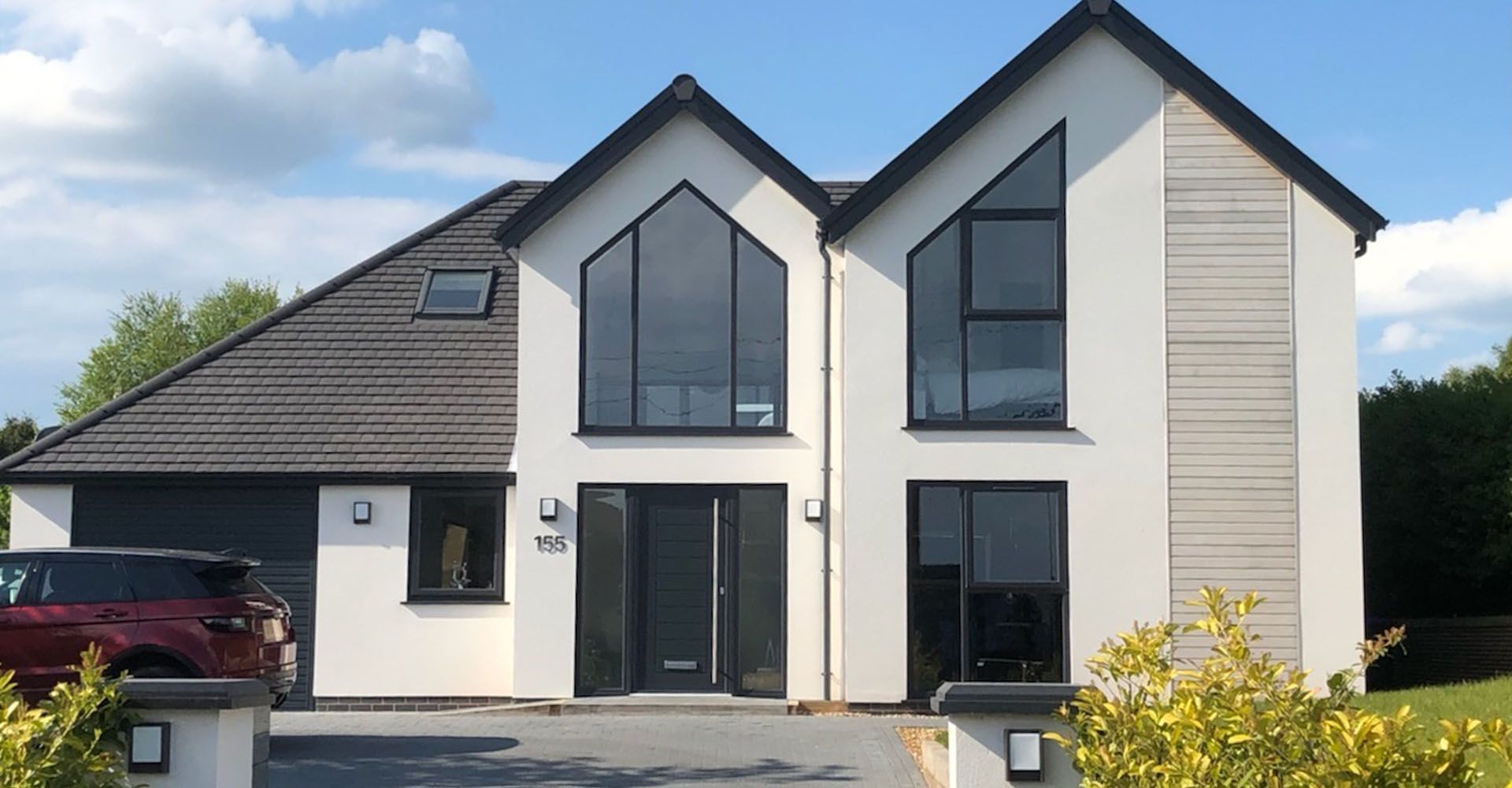
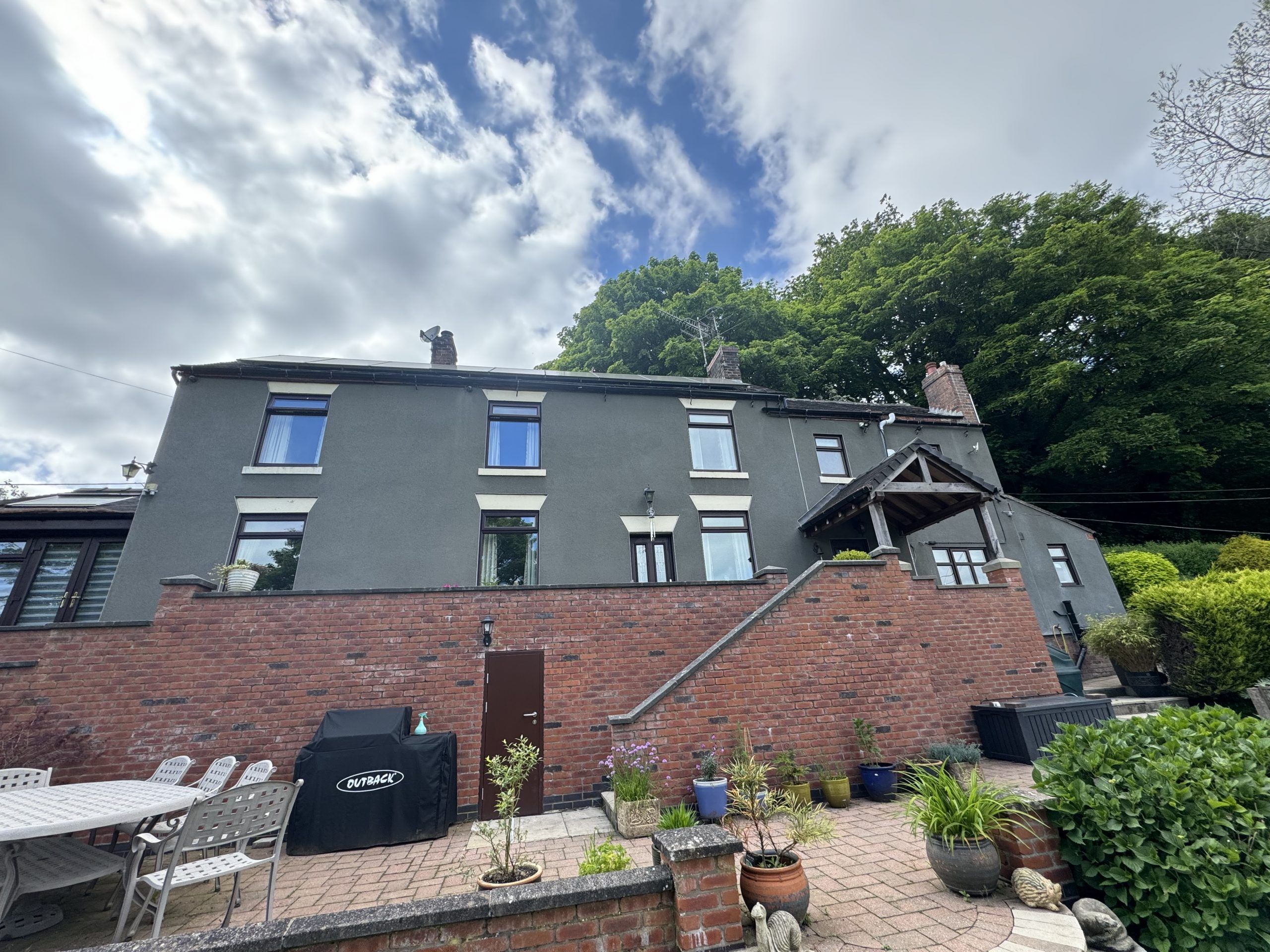
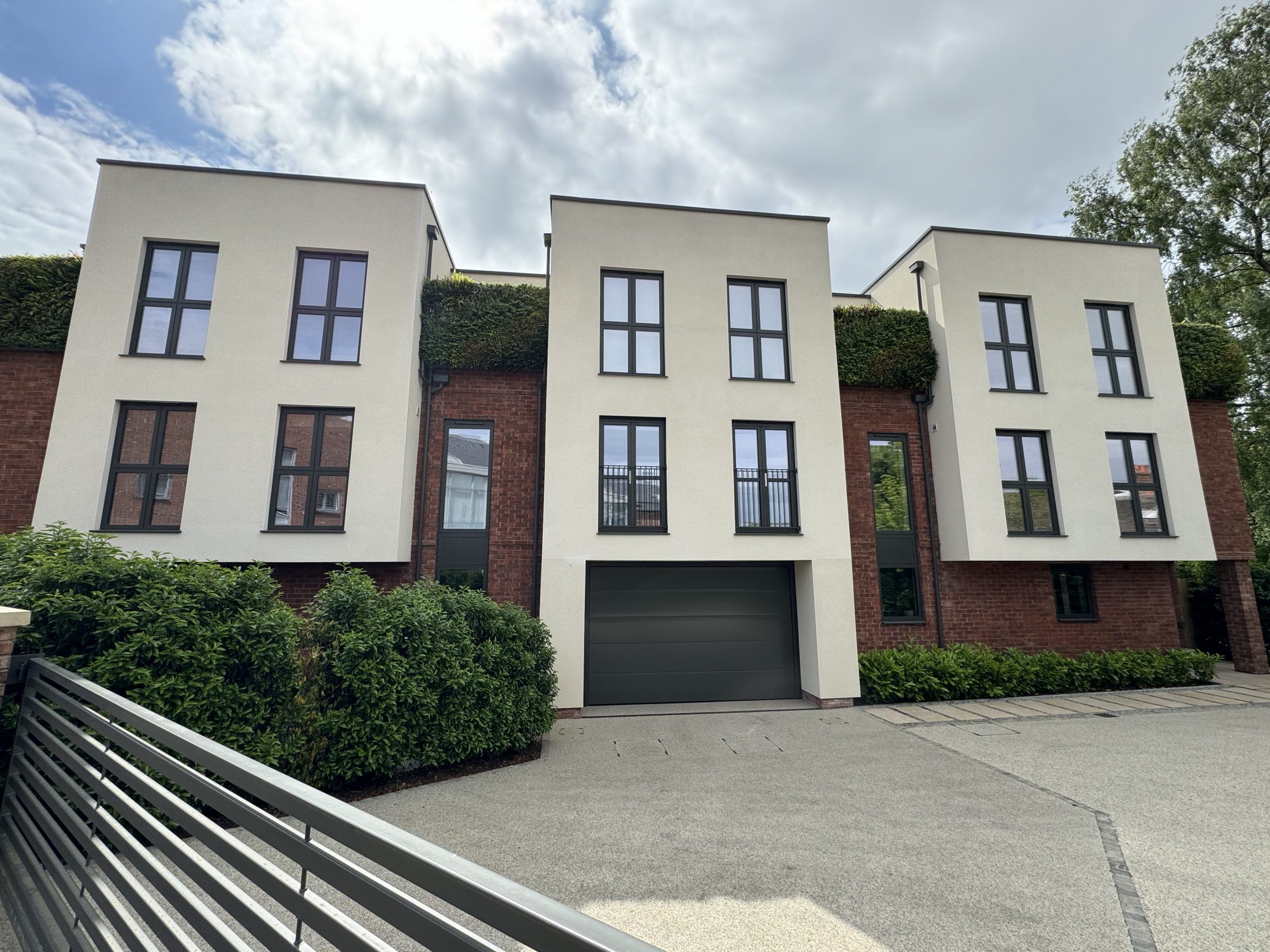
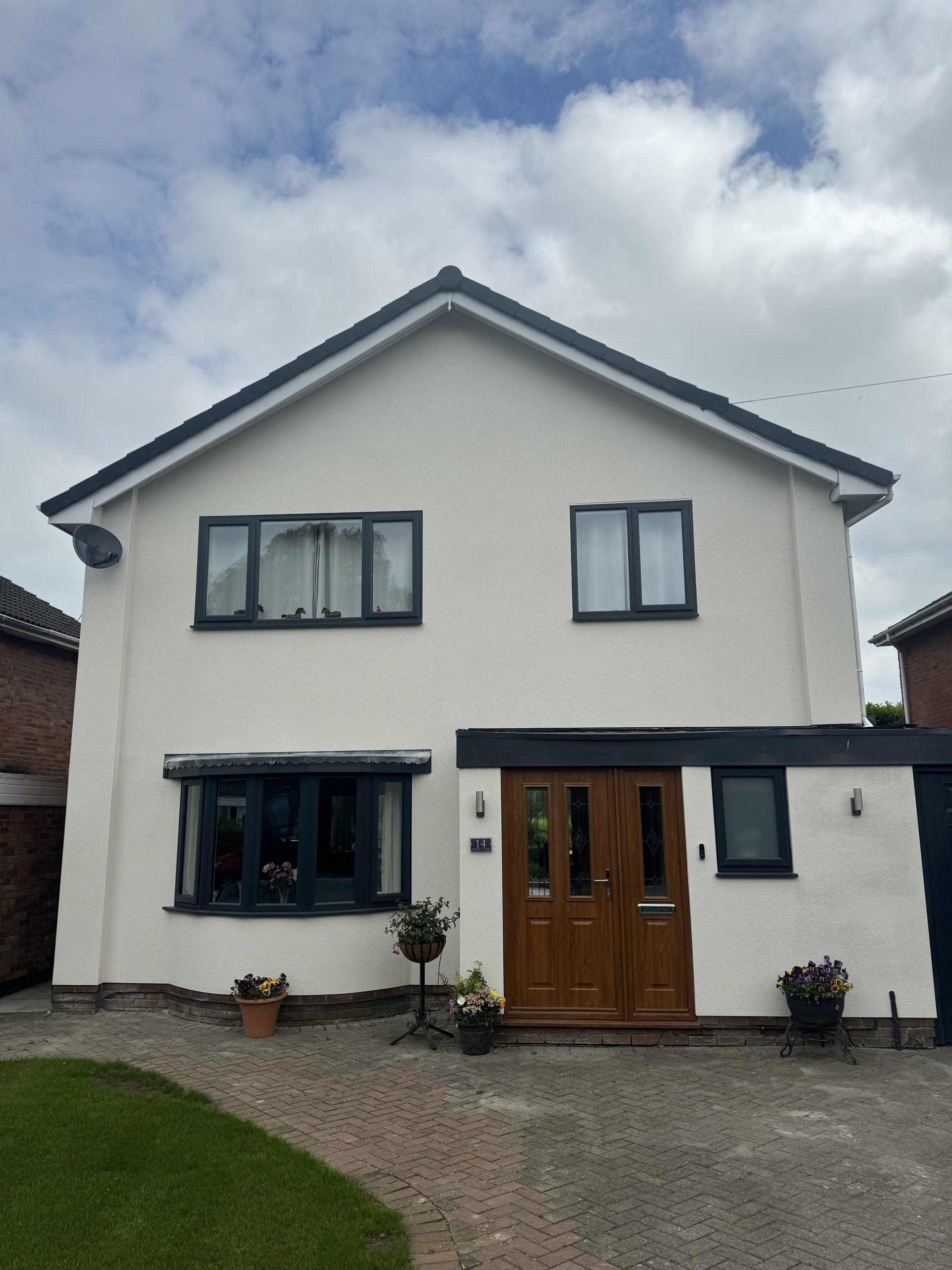
Render is a popular way to protect and enhance the exterior of properties. Whether it’s traditional cement render, acrylic, or silicone-based, many homeowners wonder: “How long does render last?” The lifespan of render depends on the materials used, quality of application, and ongoing maintenance. SM Rendering Ltd specialises in professional rendering services across London, Surrey, Kent, and surrounding areas, helping homeowners maintain and extend the life of their render.
Factors Affecting Render Longevity
The lifespan of render can vary significantly depending on several factors. High-quality...
Pebble dash, also known as roughcast, is a popular exterior wall finish that was widely used in the UK during the mid-20th century. While it can provide a protective layer, many homeowners now find it dated and difficult to maintain. If you want to give your property a modern, smooth look, removing pebble dash is an ideal solution. SM Rendering Ltd specialises in professional pebble dash removal and exterior wall renovation across the UK.
Why Remove Pebble Dash?
There are several reasons to remove pebble dash. Firstly, it can trap moisture and lead to damp problems if not maintained correctly....
Rendering your home’s exterior is more than a fresh look — it’s a smart investment in protection, comfort and long-term value. Below we explain the main benefits and what to expect when you choose professional rendering.
Quick facts
Typical lifespan of a quality render: 15–30+ years
Suitable for brick, blockwork, stone and many substrates
Options: silicone, acrylic, cement, lime, monocouche
Get a free quote
1. Weather protection & durability
Render acts as a protective coat over your masonry. It reduces water penetration, protects mortar joints and...
This guide explains the main render systems and decorative finishes used on buildings today. We’ll cover how they work, visual characteristics, where they perform best and maintenance considerations.
Cement render
Classic cement-based render systems
Cement render is a traditional, robust mix of cement, sand and water. It’s versatile — can be left smooth, textured or painted. It can be modified with additives (acrylics, silicones) to improve flexibility and water resistance.
Common finishes: Smooth trowel, float/polished, dash/roughcast.
Lime render
Breathable lime render for older...
SM Rendering Ltd — Exterior & interior rendering specialists
Choosing the right render finish can transform the look and performance of a building. Below we explain common cement-based render finishes, their characteristics, where they’re best used and maintenance tips so you can make an informed choice.
Common cement render finishes
Smooth finish (trowel finish)
Smooth trowel finish — subtle, modern look
What it is: Fine sand and cement render finished with a steel trowel to produce a flat, smooth surface. Can be left natural or painted.
Pros: Contemporary appearance,...
External rendering is more than just a decorative finish; it’s a practical and long-lasting solution for protecting and improving your property. Whether you’re building a new home or renovating an existing one, applying a render can offer a multitude of advantages. Here are 10 key benefits of external rendering for your property.
1. Enhanced Weather Protection
A well-applied render acts as a protective barrier against the elements. It shields your home’s structure from rain, wind, and frost, preventing water from penetrating the walls and causing damage like damp and mould.
2....
External rendering is a powerful way to protect and transform your property. But with a range of different materials available, choosing the right one can feel daunting. Each type of render has its own unique properties, benefits, and aesthetic qualities. Understanding the differences is key to making the best decision for your home.
Here is a guide to the most common types of external rendering.
1. Monocouche Render
The name “monocouche” translates from French to “single layer” or “one coat.” This type of render is known for its efficiency and durability....
House rendering is the process of applying a thin layer of material to the exterior of a building to protect and decorate it. Rendering is a popular choice for homeowners looking to improve the appearance of their home and increase its value. There are several benefits to house rendering, including:
Improved appearance: One of the main benefits of house rendering is that it can significantly improve the appearance of a home. Render is available in a wide range of colors and finishes, and it can be used to create a range of decorative effects. Render can also be used to cover up any...
The lifespan of external render depends on several factors, including the quality of the materials used, the skill of the renderer, the type of finish applied, and the local climate. In general, well-applied render can last for many years, with some types of render lasting up to 25 years or more.
One of the key factors influencing the lifespan of external render is the type of material used. Traditional lime render, for example, can last for many years but may require more frequent maintenance compared to modern synthetic materials. Synthetic renders, such as those made from acrylic...
Rendering is the process of applying a layer of plaster or other material to the exterior walls of a building or home. There are several reasons why you might want to consider rendering your home:
Improved aesthetics: Rendering can give your home a fresh, modern look and can be done in a variety of colors and textures to suit your personal style.
Increased value: A well-rendered home can increase its value and make it more appealing to potential buyers if you decide to sell in the future.
Protection: Rendering provides a protective layer for your walls, helping to prevent water damage and other...