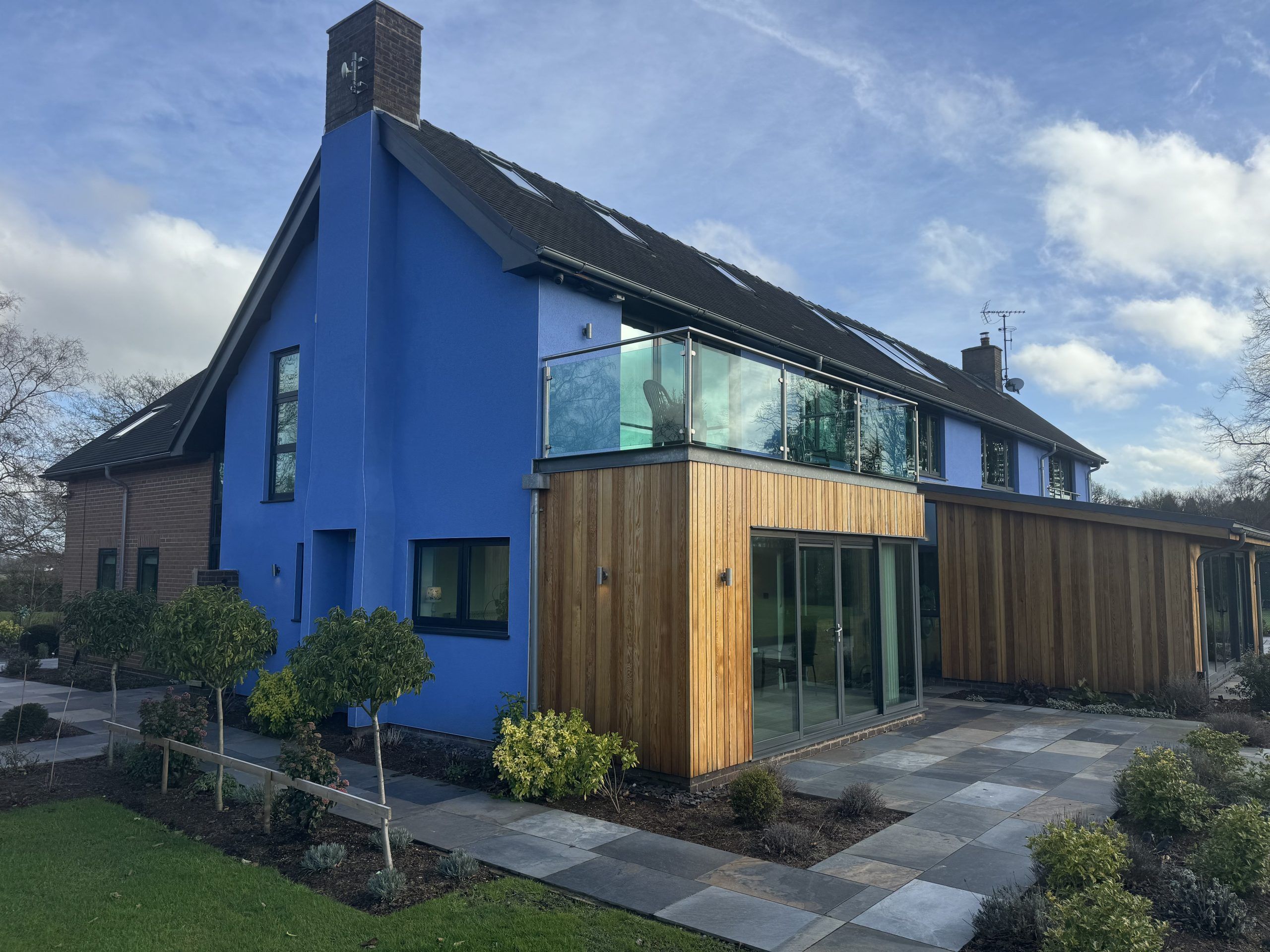
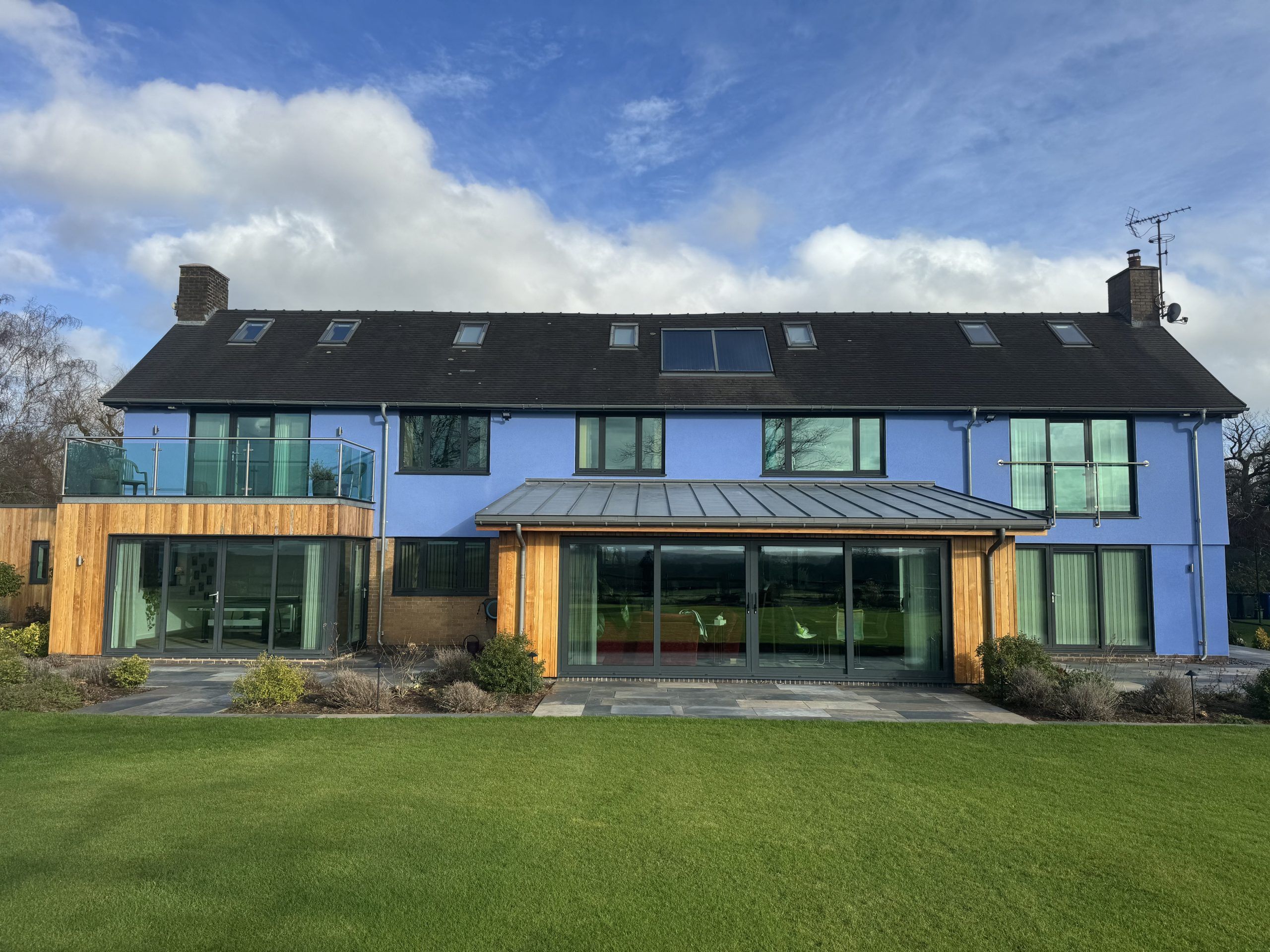
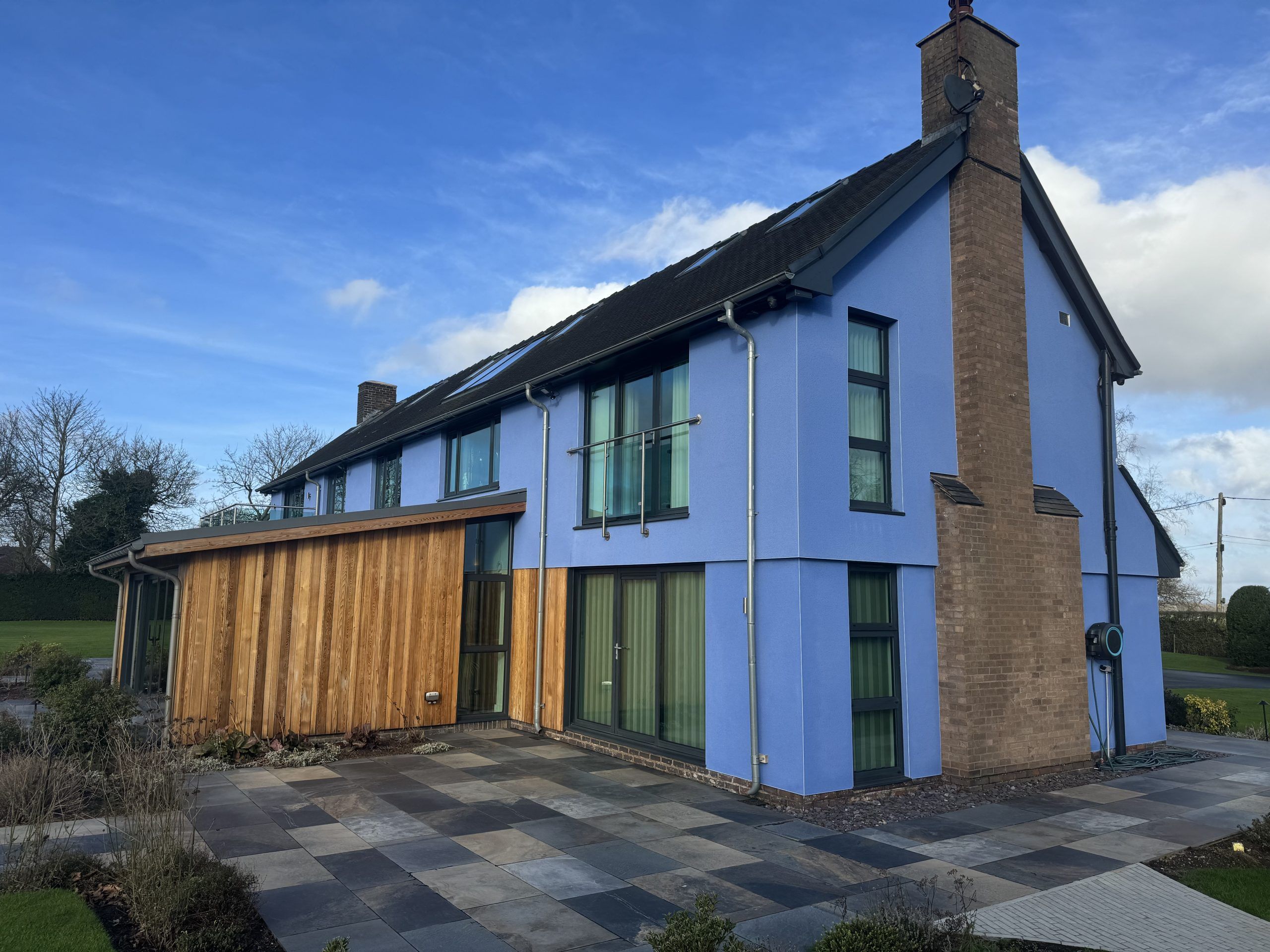
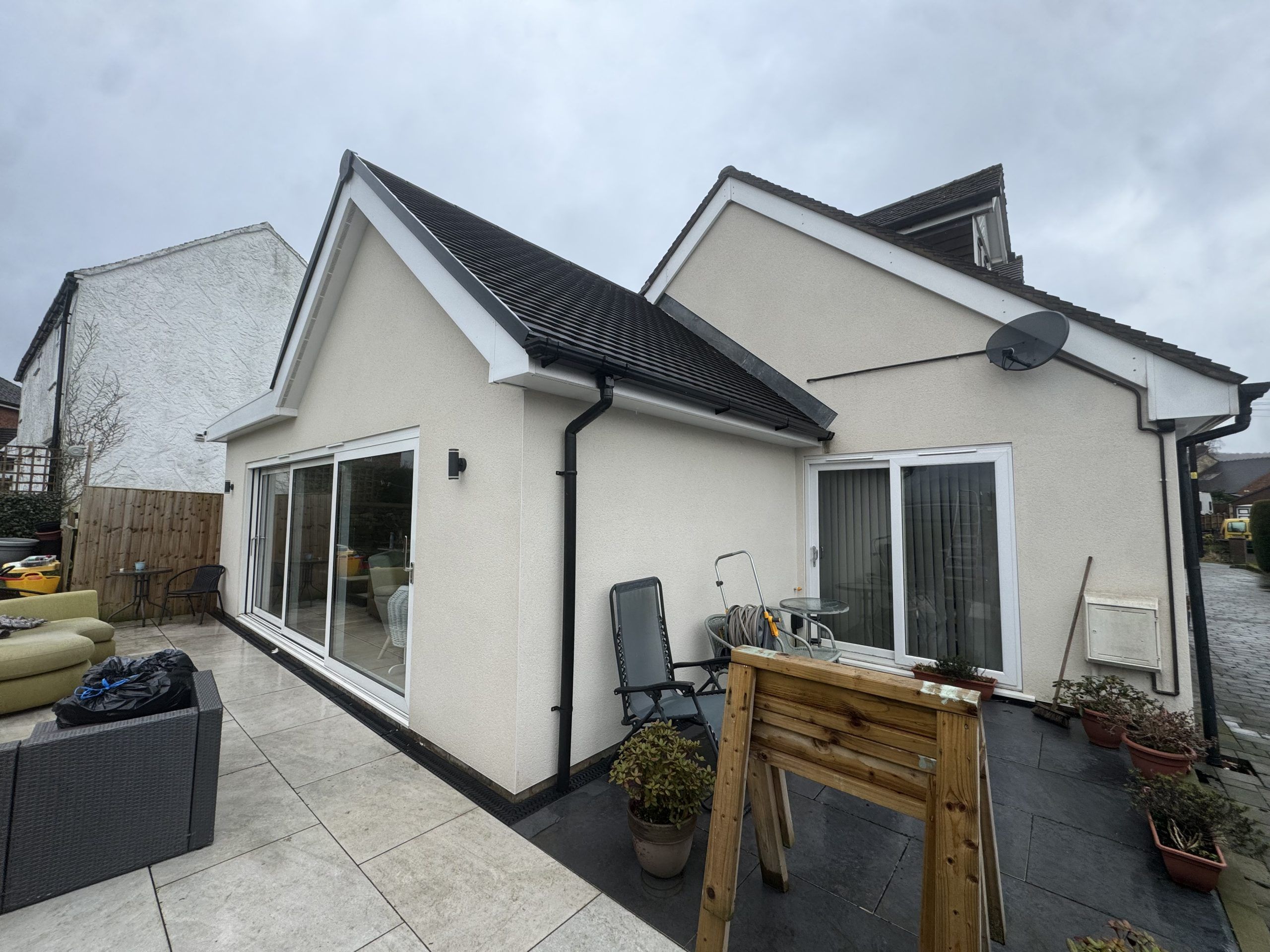
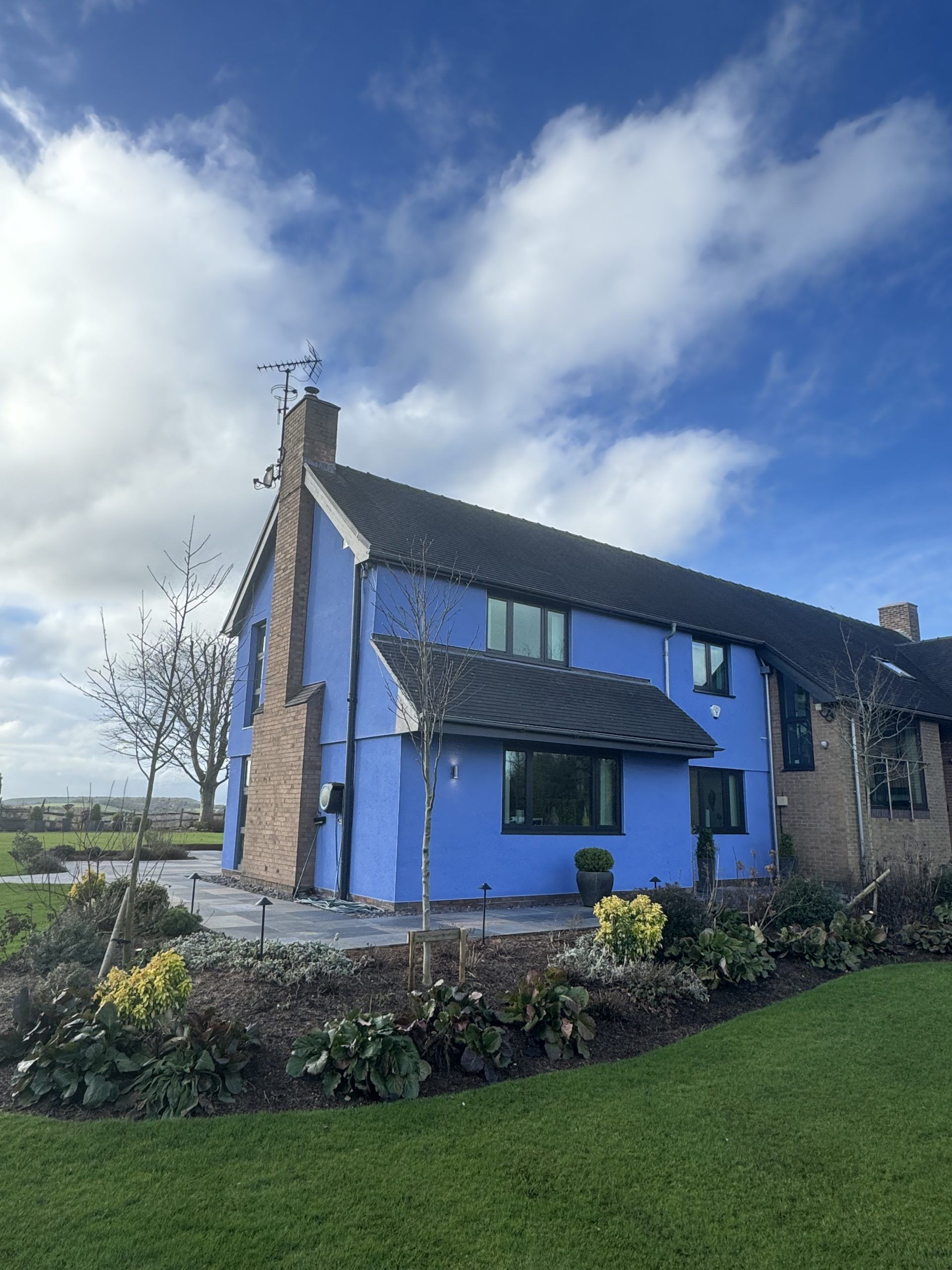
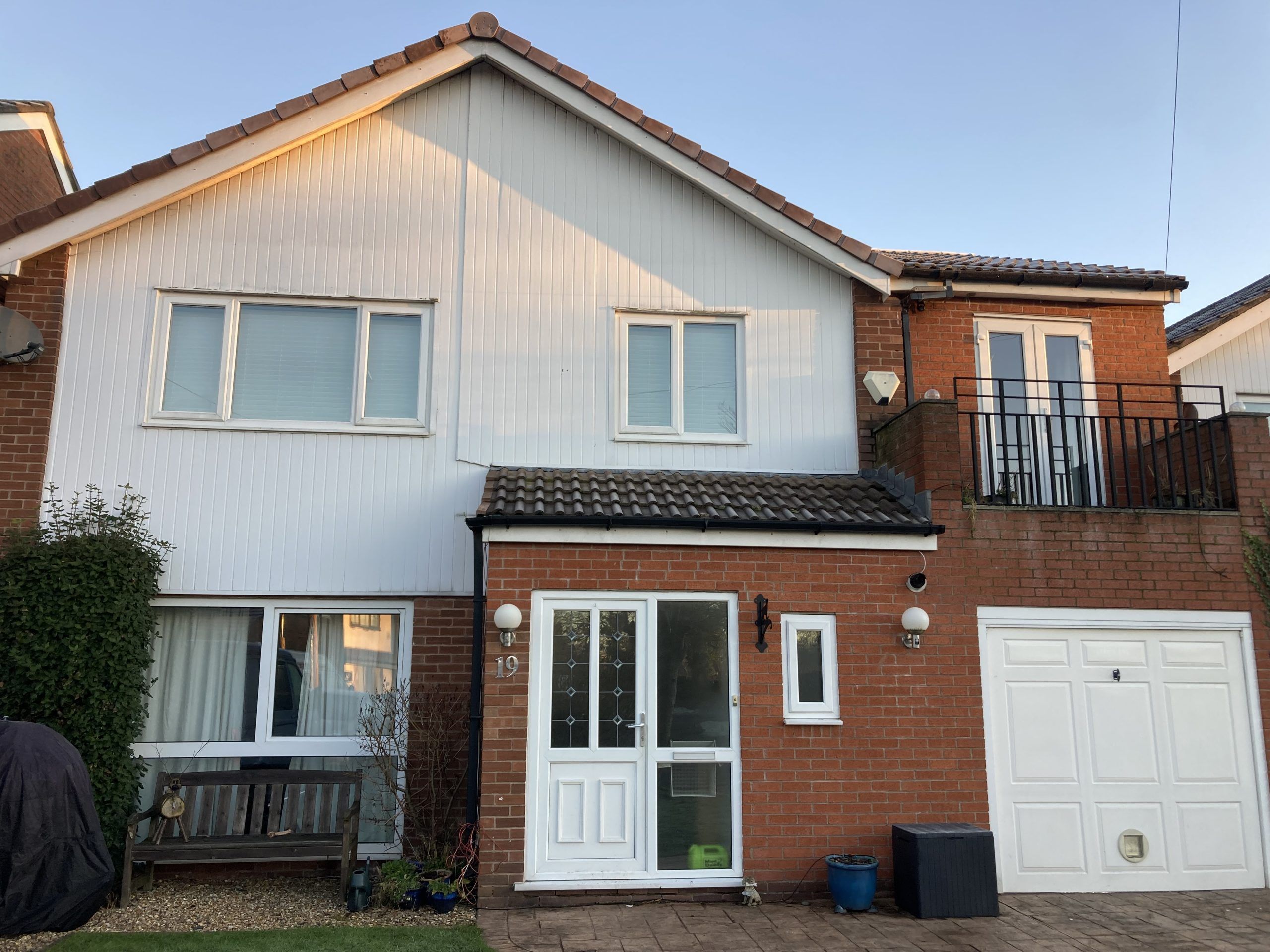
If you’re planning to render your home in Staffordshire or Cheshire, one of the first decisions you’ll face is which type of render to choose. Two of the most popular options are K-Rend, a modern silicone-based through-coloured render, and traditional sand and cement (or lime) render. Both have their place, but they perform very differently once they’re on your wall.
What Is K-Rend?
K-Rend is a factory-manufactured, pre-mixed silicone render system applied in thin coats, usually by machine. Because the colour runs through the entire thickness of the material rather than sitting...
Late summer is the ideal time to get any render problems sorted before the colder, wetter months arrive. A repair carried out now has far better drying and curing conditions than one squeezed in during winter, and it means your home goes into the colder months properly protected. Here’s what to look out for.
Visible Warning Signs
Walk around your property and look closely for hairline or map cracking, patches that have changed colour or developed green or black staining, and any areas where the render looks like it’s lifting or bulging away from the wall. These are all signs that...
Choosing a render colour is one of the biggest decisions in any external rendering project, since it will define how your home looks for years to come. Here are the main things to think about before you decide.
Through-Colour vs Painted Finishes
Modern systems such as K-Rend use through-colour technology, meaning the pigment runs through the entire thickness of the render rather than sitting on the surface as paint does. This means minor scuffs or chips don’t reveal a different colour underneath, and the finish won’t need repainting to keep its colour over time, unlike a painted...
If you’re planning an external render project, timing can make a real difference to how smoothly the job goes and how quickly your new render cures properly. Here’s what to consider when scheduling your rendering work.
Why Weather Matters During Application
Render needs stable, mild conditions to cure properly. Application in freezing temperatures can cause the render to crack or fail to bond correctly, while extremely hot, dry weather can cause it to dry too quickly, leading to shrinkage cracks. Persistent heavy rain during application can also wash out the finish before it’s...
Penetrating damp is one of the most frustrating problems facing UK homeowners, particularly those in exposed locations where driving rain batters external walls season after season. A question we hear regularly at SM Rendering is whether applying external render will put a stop to it for good.
The short answer is yes — when the correct render system is chosen and applied properly, rendering creates a continuous waterproof barrier across your external walls, preventing rainwater from working its way into the brickwork and through deteriorating mortar joints.
That said, rendering is not a universal...
Cracks in plaster are something almost every homeowner will encounter at some point, and reactions to them range from mild annoyance to genuine concern. While some cracking is a completely normal part of a building’s life, certain types of cracks are a warning sign of something that needs attention. Understanding why plaster cracks — and being able to tell the difference between harmless surface movement and a more serious structural issue — can save you time, money, and unnecessary worry.
Why Plaster Cracks: The Main Causes
Plaster is not a particularly flexible material. Once it has...
Brick effect render has become a popular choice for homeowners who want the classic look of exposed brickwork without the cost, disruption or long-term maintenance of real brick. But is it the right choice for your Staffordshire home? Here’s what you need to know.
What Is Brick Effect Render?
Brick effect render is applied over an existing wall and then scored, coloured and textured to closely resemble traditional brickwork, including mortar lines and subtle colour variation between “bricks”. It’s typically built up over a modern render base such as K-Rend, giving it...
Not every crack in your render means something has gone seriously wrong, but it can be hard to tell the difference between a cosmetic issue and a sign of genuine render failure. Here’s how to tell them apart, and what to do about each.
What Counts as Normal Cracking?
Fine, hairline cracks that follow no particular pattern are extremely common, especially in traditional sand and cement render, and are usually caused by natural shrinkage as the render cures or by minor building movement. These cracks rarely let in significant amounts of water and can often be monitored or filled as part...
Winter is the toughest test any external render will face. Freezing temperatures, driving rain and rapid thaw-freeze cycles put real pressure on a home’s outer walls, and render that’s already ageing or poorly applied is far more likely to show the strain. Here’s what winter does to render, and how to keep your home protected.
How Frost and Rain Damage Render
Water that gets into small cracks or pores in render expands when it freezes, widening existing weaknesses and creating new hairline cracks over time. Persistent driving rain, common across exposed parts of Staffordshire...
Render is a popular way to protect and enhance the exterior of properties. Whether it’s traditional cement render, acrylic, or silicone-based, many homeowners wonder: “How long does render last?” The lifespan of render depends on the materials used, quality of application, and ongoing maintenance. SM Rendering Ltd specialises in professional rendering services across London, Surrey, Kent, and surrounding areas, helping homeowners maintain and extend the life of their render.
Factors Affecting Render Longevity
The lifespan of render can vary significantly depending on several factors. High-quality...